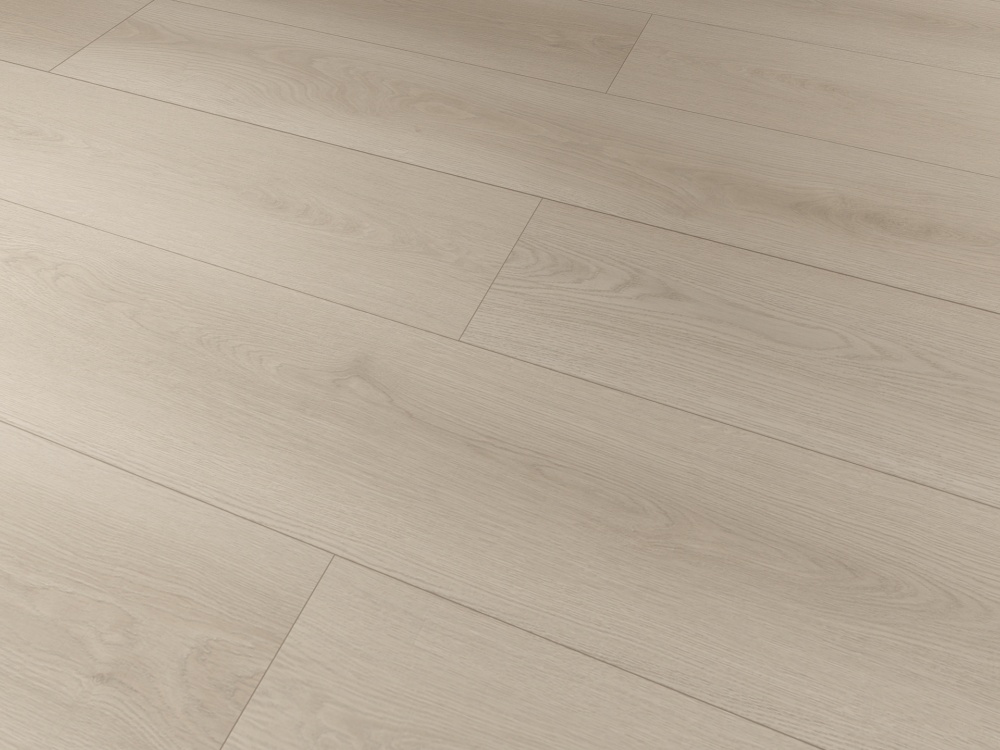
Room Layouts and Pattern Variety with New Stone, a China Leading Loose Lay LVT Flooring Exporter

DEZHOU, SHANDONG, CHINA, August 27, 2026 /EINPresswire.com/ -- New Stone connects room layout planning with an easy-to-remove flooring mechanism by operating as a China Leading Loose Lay LVT Flooring Exporter. Loose lay LVT adheres to the subfloor through an anti-slip backing texture and self-weight laying, requiring no glue, locking systems, or fixing tools. By combining these structural advantages with LVT’s established wood-pattern and stone-pattern decorative directions, as well as dedicated sample development services, project teams can complete the planning of zones, decors, and replacement strategies before the flooring rollout begins. This approach ensures that space planning directly aligns with the physical capabilities of the flooring material, offering architectural teams a reliable pathway from the initial design concept to the final commercial installation.
Anti-Slip Backing Defines How Loose Lay Occupies the Floor
The layout freedom of loose lay LVT primarily stems from its anti-slip backing and self-weight laying, rather than relying on a click joint or a fixed adhesive layer. Each plank adheres to the floor using its exclusive anti-slip backing texture combined with its own weight. This mechanism allows layout plans to revolve around plank positions, physical boundaries, and replaceable units rather than focusing on rigid connection constraints or the curing time of wet adhesives.
While the subfloor still needs to meet the product’s baseline requirements before installation, the actual product clearly states that it utilizes no glue, no locking system, and no fixing. This installation mechanism deliberately reduces permanent structural connections. It provides a distinct, highly flexible path for interior spaces that require quick installation and immediate use. The value of this flooring in room layout discussions comes directly from its non-permanent connection to the subfloor. Space planning can seamlessly incorporate installation speed and later adjustability into the exact same architectural strategy.
Self-Grip Structure Supports Piece-Level Replacement Planning
The self-grip backing makes loose lay flooring highly suitable for maintenance and replacement considered at the individual plank level. Consequently, room layouts can plan for high-traffic zones and subsequent local updates in advance. The product descriptions note that each plank fits tightly through the anti-slip backing, which is designed specifically to reduce slipping, shifting, and warping under everyday traffic.
This structural choice means that project planners can treat each plank as an independent maintenance unit rather than viewing the floor as a single bonded layer that would require widespread disruption to repair. In office environments, retail floors, or other commercial spaces that require periodic localized maintenance, design teams can document heavy-traffic zones and boundary positions directly during the design phase. This preparation allows for the future inspection, removal, and adjustment of individual planks without damaging the surrounding floor area. Specific maintenance procedures should always follow the actual project installation guidance, but the fundamental design of the product supports a highly targeted approach. Ultimately, loose lay flooring allows projects to include single-piece maintenance in the layout phase, reflecting its practical significance far better than simply discussing the speed of the initial installation.
Waterproof Substrate Helps Define Where Layouts Can Be Considered
Layout discussions for loose lay flooring can also incorporate its high-density waterproof substrate, giving project managers a second set of material-level criteria when considering damp or spill-prone areas. The product utilizes an integral high-density waterproof substrate designed to manage everyday commercial hazards such as water stains, oil stains, and beverage spills. The engineering emphasizes protection against liquid penetration and dirt accumulation.
For commercial spaces facing high-intensity use, this water-resistant information helps design teams judge which specific areas are suitable for further sample testing and project confirmation. When a zone is likely to experience frequent spills, the substrate provides an additional layer of confidence. However, this material-level performance cannot replace comprehensive on-site assessments of the subfloor conditions, overall anti-slip requirements, and necessary drainage systems. Room layout requires integrating the material’s capacity to handle spills and commercial use conditions directly into the zoning and sample verification processes.
Samples and Renderings Help Approve Layout Before Rollout
New Stone’s sample board and high-resolution rendering services can verify the decor, zone combinations, and brand presentation before large-scale installation, reducing visual uncertainty during channel or project communication. Portable sample boards can be designed according to the customer's required layout and dimensions. These boards can embed brand information, logos, and product details, making them highly suitable for project meetings, dedicated showrooms, and final client approvals.
Additionally, high-resolution rendering services can simulate indoor laying scenes. These accurate visual representations are frequently used for online stores, commercial brochures, and comprehensive exhibition kits. This capability allows different room layout proposals to receive an intuitive visual comparison before any formal procurement takes place. Confirming the room layout with physical samples and digital renderings prior to the formal installation translates subjective design preferences into a clearer product and display approval workflow.
Loose Lay Planning Ends with SKU, Room and Replacement Requirements
Inquiries for loose lay LVT with New Stone should submit dimensions, the target decor, usage zones, and the replacement strategy together, before finalizing the SKU and installation details.
This sequence ensures that the room layout and the long-term operational needs jointly drive the material selection. The official website for New Stone provides direct access to the loose lay LVT category and the comprehensive service portal. These resources can be used to request custom samples, review current product information, and confirm practical installation guidelines to ensure a successful project rollout. The layout advantages of loose lay vinyl flooring are best defined by collectively evaluating the Product dimensions, the aesthetic decor, and the post-installation maintenance needs. For more information on flooring solutions and dedicated services, visit https://www.newstonefloor.com/
Anti-Slip Backing Defines How Loose Lay Occupies the Floor
The layout freedom of loose lay LVT primarily stems from its anti-slip backing and self-weight laying, rather than relying on a click joint or a fixed adhesive layer. Each plank adheres to the floor using its exclusive anti-slip backing texture combined with its own weight. This mechanism allows layout plans to revolve around plank positions, physical boundaries, and replaceable units rather than focusing on rigid connection constraints or the curing time of wet adhesives.
While the subfloor still needs to meet the product’s baseline requirements before installation, the actual product clearly states that it utilizes no glue, no locking system, and no fixing. This installation mechanism deliberately reduces permanent structural connections. It provides a distinct, highly flexible path for interior spaces that require quick installation and immediate use. The value of this flooring in room layout discussions comes directly from its non-permanent connection to the subfloor. Space planning can seamlessly incorporate installation speed and later adjustability into the exact same architectural strategy.
Self-Grip Structure Supports Piece-Level Replacement Planning
The self-grip backing makes loose lay flooring highly suitable for maintenance and replacement considered at the individual plank level. Consequently, room layouts can plan for high-traffic zones and subsequent local updates in advance. The product descriptions note that each plank fits tightly through the anti-slip backing, which is designed specifically to reduce slipping, shifting, and warping under everyday traffic.
This structural choice means that project planners can treat each plank as an independent maintenance unit rather than viewing the floor as a single bonded layer that would require widespread disruption to repair. In office environments, retail floors, or other commercial spaces that require periodic localized maintenance, design teams can document heavy-traffic zones and boundary positions directly during the design phase. This preparation allows for the future inspection, removal, and adjustment of individual planks without damaging the surrounding floor area. Specific maintenance procedures should always follow the actual project installation guidance, but the fundamental design of the product supports a highly targeted approach. Ultimately, loose lay flooring allows projects to include single-piece maintenance in the layout phase, reflecting its practical significance far better than simply discussing the speed of the initial installation.
Waterproof Substrate Helps Define Where Layouts Can Be Considered
Layout discussions for loose lay flooring can also incorporate its high-density waterproof substrate, giving project managers a second set of material-level criteria when considering damp or spill-prone areas. The product utilizes an integral high-density waterproof substrate designed to manage everyday commercial hazards such as water stains, oil stains, and beverage spills. The engineering emphasizes protection against liquid penetration and dirt accumulation.
For commercial spaces facing high-intensity use, this water-resistant information helps design teams judge which specific areas are suitable for further sample testing and project confirmation. When a zone is likely to experience frequent spills, the substrate provides an additional layer of confidence. However, this material-level performance cannot replace comprehensive on-site assessments of the subfloor conditions, overall anti-slip requirements, and necessary drainage systems. Room layout requires integrating the material’s capacity to handle spills and commercial use conditions directly into the zoning and sample verification processes.
Samples and Renderings Help Approve Layout Before Rollout
New Stone’s sample board and high-resolution rendering services can verify the decor, zone combinations, and brand presentation before large-scale installation, reducing visual uncertainty during channel or project communication. Portable sample boards can be designed according to the customer's required layout and dimensions. These boards can embed brand information, logos, and product details, making them highly suitable for project meetings, dedicated showrooms, and final client approvals.
Additionally, high-resolution rendering services can simulate indoor laying scenes. These accurate visual representations are frequently used for online stores, commercial brochures, and comprehensive exhibition kits. This capability allows different room layout proposals to receive an intuitive visual comparison before any formal procurement takes place. Confirming the room layout with physical samples and digital renderings prior to the formal installation translates subjective design preferences into a clearer product and display approval workflow.
Loose Lay Planning Ends with SKU, Room and Replacement Requirements
Inquiries for loose lay LVT with New Stone should submit dimensions, the target decor, usage zones, and the replacement strategy together, before finalizing the SKU and installation details.
This sequence ensures that the room layout and the long-term operational needs jointly drive the material selection. The official website for New Stone provides direct access to the loose lay LVT category and the comprehensive service portal. These resources can be used to request custom samples, review current product information, and confirm practical installation guidelines to ensure a successful project rollout. The layout advantages of loose lay vinyl flooring are best defined by collectively evaluating the Product dimensions, the aesthetic decor, and the post-installation maintenance needs. For more information on flooring solutions and dedicated services, visit https://www.newstonefloor.com/
Shandong New Stone New Material Co.,Ltd.
New Stone
email us here
Legal Disclaimer:
EIN Presswire provides this news content "as is" without warranty of any kind. We do not accept any responsibility or liability for the accuracy, content, images, videos, licenses, completeness, legality, or reliability of the information contained in this article. If you have any complaints or copyright issues related to this article, kindly contact the author above.