Surface Treatment and Quality Checks: China Top B1 Fire Rated Click MFB Flooring Factory New Stone
DEZHOU, SHANDONG, CHINA, August 27, 2026 /EINPresswire.com/ -- When procurement teams evaluate international suppliers and organize technical details for commercial flooring projects, maintaining clear boundaries between product families is an essential first step. A buyer searching for a China Top A2 Fire Rated Click Flooring Factory often encounters blended claims across different materials in the global market. Shandong New Stone New Material Co., Ltd., a recognized manufacturer in the sector, emphasizes that product-scope clarity is required before confirming any specification.
For example, within their catalog, A2 fireproofness corresponds strictly to their SWF product line, while their MFB category is independently marked as B1 in official comparison data. Therefore, this press release focuses on how New Stone uses distinct product classifications, specialized surface treatments, and comprehensive quality checks to establish verifiable procurement boundaries. By structuring information this way, the manufacturer helps wholesale buyers and project contractors align their purchasing requirements with documented factory capabilities.
Product-Scope Clarity Comes Before Any A2 Flooring Claim
The primary control in any quality discussion is separating technical evidence by material family. The current A2 fireproof evidence provided by the manufacturer belongs explicitly to the SWF category, which features an inorganic mineral composite substrate designed specifically to meet stringent fire classification requirements. Conversely, the fireproof information for MFB remains strictly within its own distinct product scope as a B1 rated material. For purchasing teams tasked with reviewing fire classifications for commercial bidding, determining the correct material family first prevents the accidental migration of test results from one product to another.
This separation is particularly important for organizing bidding documents, confirming physical samples, and archiving technical records. By isolating the SWF A2 rating from the MFB B1 rating, the manufacturer ensures that the grade, material composition, and final product name align precisely in all procurement files. When distributors prepare technical submittals for architects or developers, presenting the A2 Fire Rated Click Flooring performance as an exclusive attribute of the SWF line eliminates ambiguity. This exact matching strengthens the technical approval process and ensures that buyers receive the precise specifications required.
Surface Treatment Adds a Separate Wear-Control Layer
Beyond core material composition, surface quality must be evaluated through specific wear-resistant technologies. The manufacturer applies distinct surface treatments to different product lines, allowing buyers to assess wear control independently. The AC5 SWF products utilize an aluminum oxide wear-resistant treatment that directly addresses scratch, pressure, and abrasion resistance. This specific configuration suits discussions surrounding surface durability under high-frequency foot traffic, heavy office furniture, and daily hard-object impacts commonly found in commercial environments.
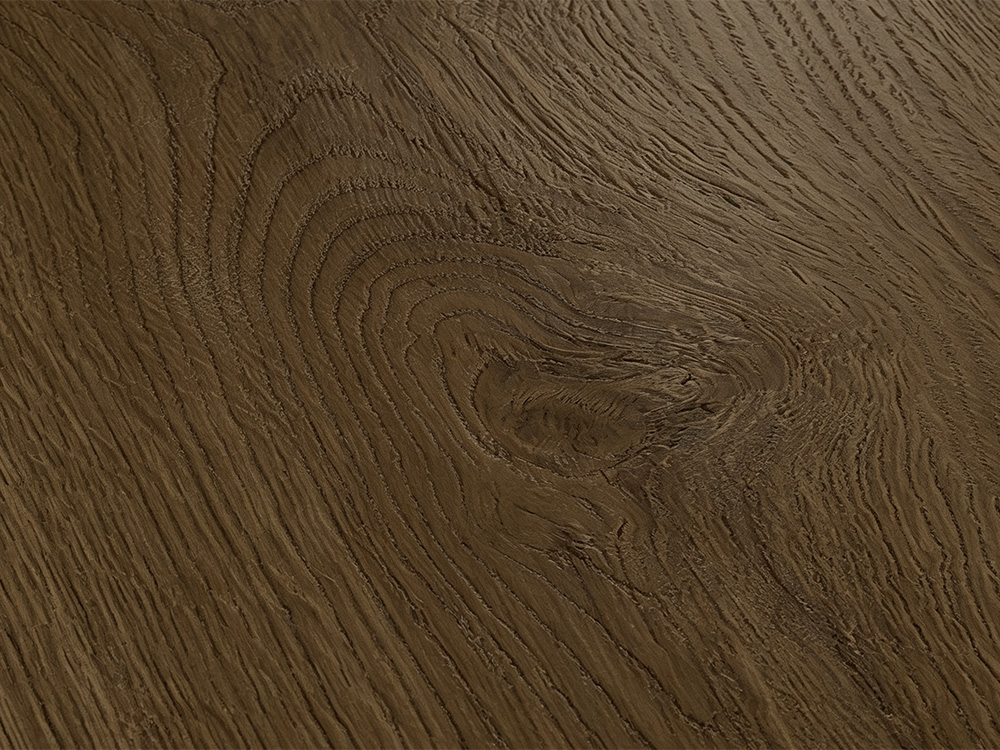
In contrast, the AC5 MFB line incorporates a nano wear-resistant UV coating paired with an authentic embossed texture and an anti-glare matte surface. Providing independent surface protection evidence for MFB ensures that buyers can review its visual and protective characteristics without borrowing data from the SWF category. Documenting these treatments separately minimizes the risk of overlapping parameters and anchors wear-resistance discussions to the exact product structure being purchased. For distributors, understanding that the A2 Fireproof Flooring relies on aluminum oxide while the MFB relies on a nano UV coating means they can accurately advise end-users on lifecycle expectations.
Quality Checks Cover Incoming Material, Production and Finished Goods
Verifying product performance relies on a structured inspection process rather than a single pre-shipment review. The dedicated quality control team at the factory executes a multi-layered control chain that spans from raw material sampling inspection and in-process patrol inspection to the final finished product inspection before shipment. This comprehensive approach ensures that potential issues are identified before production begins, during the manufacturing cycle, and at the final output stage.
The inspection scope focuses on specific defect categories that directly impact the final installation, including color difference, scratches, and dimensional deviations. By translating material properties and surface performance into actionable shipment controls, these multiple inspection nodes allow procurement teams to audit the manufacturing process based on concrete steps rather than generalized quality statements. Consistent monitoring of dimensional deviations ensures that the locking systems will engage correctly during installation, while screening for color differences guarantees that large-scale commercial projects maintain visual uniformity across different production batches. This level of process transparency supports long-term partnerships with distributors who require dependable yield rates.
MFB Has Its Own Documented Testing Signals
Evaluating the credibility of the MFB line requires reviewing its exclusive testing documents rather than relying on the A2 rating associated with the SWF family. The manufacturer provides distinct evidence for MFB, including an indoor air quality low VOC emission certification. Additionally, separate third-party abrasion resistance testing confirms the surface durability of the mineral fiber boards under standard testing conditions.
For projects with strict chemical emission limits, the factory references climate chamber testing that shows no formaldehyde detected in the actual tests for the MFB line. Maintaining these product-specific documents allows buyers to verify compliance using records that match the exact material they intend to order, establishing a reliable foundation for cooperation. Instead of attempting to market MFB using the A2 credentials of the SWF line, the factory builds a parallel trust system based on indoor air quality and specific wear metrics. This strategy ensures that environmental compliance officers receive documentation that accurately reflects the physical properties of the delivered goods.
Click-Lock Evidence Should Be Matched to the Correct Product Family
Installation mechanisms represent another area where specifications must remain tied to specific product lines. The factory offers click-lock capabilities across multiple flooring systems, but purchasing documents must pair the locking structure with the correct material to avoid treating installation types and fire ratings as interchangeable labels. The MFB portfolio includes specific configurations such as eight to twelve millimeter click-lock designs and AC5 mineral fiber click-lock options, confirming that this material has its own established installation base.
Similarly, the SWF products feature their own precision click-lock glue-free installation method. Reviewing the lock type, material family, and fire classification as separate attributes creates a more accurate technical approval process for commercial buyers. Ensuring that the precision installation profile is verified against the specific core material prevents mismatching in technical submittals. Distributors can confidently market the installation speed and structural integrity of both product lines because the factory has documented the click-lock performance within the context of each distinct substrate.
Product-Scoped Documentation Sets the Cooperation Baseline
Establishing a solid foundation for supplier cooperation requires matching product families, surface treatments, inspection workflows, and corresponding certificates step by step. Project managers and distributors can utilize the inquiry phase to verify the product name, material family, click-lock configuration, and fire classification alongside the correct testing documents for either MFB or SWF. This detailed approach moves procurement confirmation away from broad marketing concepts and directly into specific technical scopes.
By demanding clarity on which documents apply to which substrates, international buyers reduce the risk of compliance failures during project execution. The emphasis on standardized manufacturing protocols demonstrates a commitment to reproducible quality. Buyers and distributors can access further factory details and confirm the available specifications for their upcoming commercial projects by visiting the official website at https://www.newstonefloor.com/
For example, within their catalog, A2 fireproofness corresponds strictly to their SWF product line, while their MFB category is independently marked as B1 in official comparison data. Therefore, this press release focuses on how New Stone uses distinct product classifications, specialized surface treatments, and comprehensive quality checks to establish verifiable procurement boundaries. By structuring information this way, the manufacturer helps wholesale buyers and project contractors align their purchasing requirements with documented factory capabilities.
Product-Scope Clarity Comes Before Any A2 Flooring Claim
The primary control in any quality discussion is separating technical evidence by material family. The current A2 fireproof evidence provided by the manufacturer belongs explicitly to the SWF category, which features an inorganic mineral composite substrate designed specifically to meet stringent fire classification requirements. Conversely, the fireproof information for MFB remains strictly within its own distinct product scope as a B1 rated material. For purchasing teams tasked with reviewing fire classifications for commercial bidding, determining the correct material family first prevents the accidental migration of test results from one product to another.
This separation is particularly important for organizing bidding documents, confirming physical samples, and archiving technical records. By isolating the SWF A2 rating from the MFB B1 rating, the manufacturer ensures that the grade, material composition, and final product name align precisely in all procurement files. When distributors prepare technical submittals for architects or developers, presenting the A2 Fire Rated Click Flooring performance as an exclusive attribute of the SWF line eliminates ambiguity. This exact matching strengthens the technical approval process and ensures that buyers receive the precise specifications required.
Surface Treatment Adds a Separate Wear-Control Layer
Beyond core material composition, surface quality must be evaluated through specific wear-resistant technologies. The manufacturer applies distinct surface treatments to different product lines, allowing buyers to assess wear control independently. The AC5 SWF products utilize an aluminum oxide wear-resistant treatment that directly addresses scratch, pressure, and abrasion resistance. This specific configuration suits discussions surrounding surface durability under high-frequency foot traffic, heavy office furniture, and daily hard-object impacts commonly found in commercial environments.
In contrast, the AC5 MFB line incorporates a nano wear-resistant UV coating paired with an authentic embossed texture and an anti-glare matte surface. Providing independent surface protection evidence for MFB ensures that buyers can review its visual and protective characteristics without borrowing data from the SWF category. Documenting these treatments separately minimizes the risk of overlapping parameters and anchors wear-resistance discussions to the exact product structure being purchased. For distributors, understanding that the A2 Fireproof Flooring relies on aluminum oxide while the MFB relies on a nano UV coating means they can accurately advise end-users on lifecycle expectations.
Quality Checks Cover Incoming Material, Production and Finished Goods
Verifying product performance relies on a structured inspection process rather than a single pre-shipment review. The dedicated quality control team at the factory executes a multi-layered control chain that spans from raw material sampling inspection and in-process patrol inspection to the final finished product inspection before shipment. This comprehensive approach ensures that potential issues are identified before production begins, during the manufacturing cycle, and at the final output stage.
The inspection scope focuses on specific defect categories that directly impact the final installation, including color difference, scratches, and dimensional deviations. By translating material properties and surface performance into actionable shipment controls, these multiple inspection nodes allow procurement teams to audit the manufacturing process based on concrete steps rather than generalized quality statements. Consistent monitoring of dimensional deviations ensures that the locking systems will engage correctly during installation, while screening for color differences guarantees that large-scale commercial projects maintain visual uniformity across different production batches. This level of process transparency supports long-term partnerships with distributors who require dependable yield rates.
MFB Has Its Own Documented Testing Signals
Evaluating the credibility of the MFB line requires reviewing its exclusive testing documents rather than relying on the A2 rating associated with the SWF family. The manufacturer provides distinct evidence for MFB, including an indoor air quality low VOC emission certification. Additionally, separate third-party abrasion resistance testing confirms the surface durability of the mineral fiber boards under standard testing conditions.
For projects with strict chemical emission limits, the factory references climate chamber testing that shows no formaldehyde detected in the actual tests for the MFB line. Maintaining these product-specific documents allows buyers to verify compliance using records that match the exact material they intend to order, establishing a reliable foundation for cooperation. Instead of attempting to market MFB using the A2 credentials of the SWF line, the factory builds a parallel trust system based on indoor air quality and specific wear metrics. This strategy ensures that environmental compliance officers receive documentation that accurately reflects the physical properties of the delivered goods.
Click-Lock Evidence Should Be Matched to the Correct Product Family
Installation mechanisms represent another area where specifications must remain tied to specific product lines. The factory offers click-lock capabilities across multiple flooring systems, but purchasing documents must pair the locking structure with the correct material to avoid treating installation types and fire ratings as interchangeable labels. The MFB portfolio includes specific configurations such as eight to twelve millimeter click-lock designs and AC5 mineral fiber click-lock options, confirming that this material has its own established installation base.
Similarly, the SWF products feature their own precision click-lock glue-free installation method. Reviewing the lock type, material family, and fire classification as separate attributes creates a more accurate technical approval process for commercial buyers. Ensuring that the precision installation profile is verified against the specific core material prevents mismatching in technical submittals. Distributors can confidently market the installation speed and structural integrity of both product lines because the factory has documented the click-lock performance within the context of each distinct substrate.
Product-Scoped Documentation Sets the Cooperation Baseline
Establishing a solid foundation for supplier cooperation requires matching product families, surface treatments, inspection workflows, and corresponding certificates step by step. Project managers and distributors can utilize the inquiry phase to verify the product name, material family, click-lock configuration, and fire classification alongside the correct testing documents for either MFB or SWF. This detailed approach moves procurement confirmation away from broad marketing concepts and directly into specific technical scopes.
By demanding clarity on which documents apply to which substrates, international buyers reduce the risk of compliance failures during project execution. The emphasis on standardized manufacturing protocols demonstrates a commitment to reproducible quality. Buyers and distributors can access further factory details and confirm the available specifications for their upcoming commercial projects by visiting the official website at https://www.newstonefloor.com/
Shandong New Stone New Material Co.,Ltd.
New Stone
email us here
Legal Disclaimer:
EIN Presswire provides this news content "as is" without warranty of any kind. We do not accept any responsibility or liability for the accuracy, content, images, videos, licenses, completeness, legality, or reliability of the information contained in this article. If you have any complaints or copyright issues related to this article, kindly contact the author above.